Regulatory Evolutions Redefine Promotional Structures in Global Gambling Markets
Cameron Walter · Oct 24, 2026
Regulatory Evolutions Redefine Promotional Structures in Global Gambling Markets
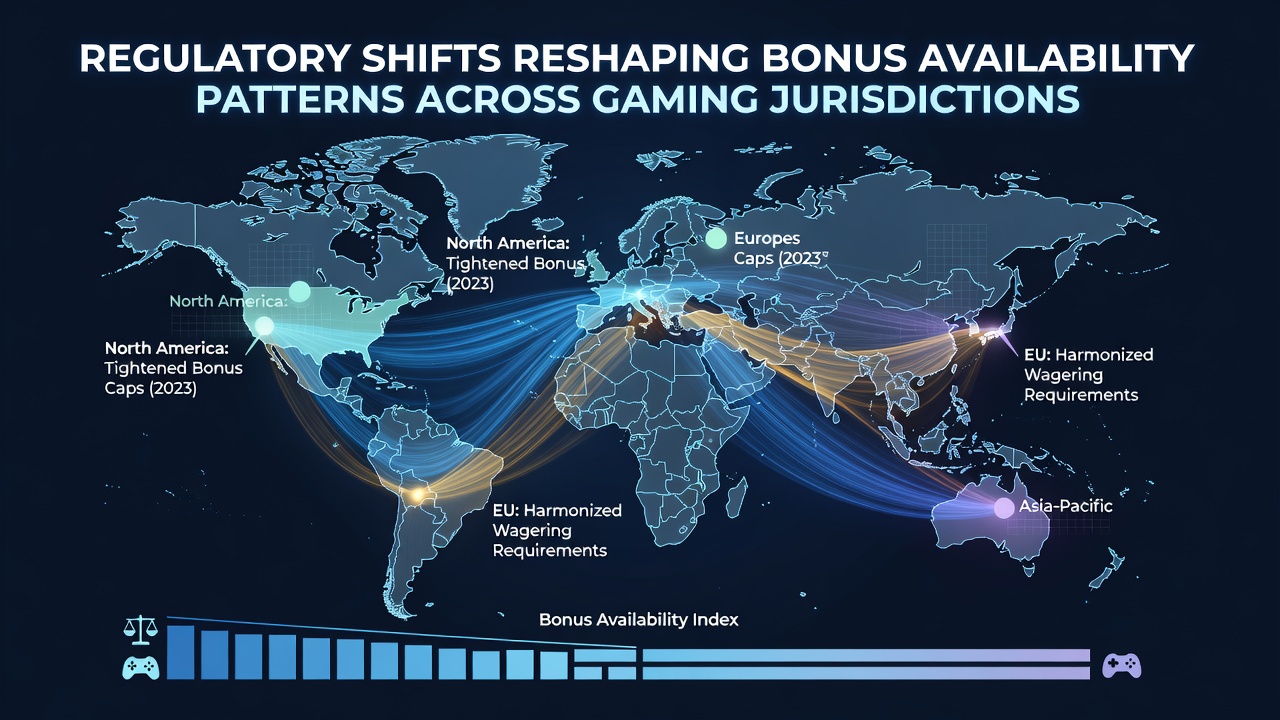
Regulatory frameworks in multiple jurisdictions continue to adjust bonus mechanisms that operators extend to players, with changes altering deposit match percentages, cashback percentages, and loyalty reward tiers across North America, Europe, and the Asia-Pacific region. Data from industry reports shows these modifications stem from updates in consumer protection statutes, taxation policies, and responsible gaming mandates that took effect between 2024 and 2026. Observers note patterns where maximum bonus caps tightened while minimum wagering requirements lengthened in several markets.
North American Adjustments Alter Operator Strategies
State-level legislation in the United States has introduced new caps on promotional values, particularly in markets that expanded online offerings after 2022. Michigan and Pennsylvania regulators revised guidelines that now limit initial deposit bonuses to 100 percent of the first deposit up to a fixed dollar amount, while Pennsylvania Gaming Control Board statistics indicate operators adjusted average bonus values downward by 15 percent in the first half of 2026. Canadian provinces followed similar paths, with Ontario's Alcohol and Gaming Commission implementing rules that require clear disclosure of bonus expiration dates and game contribution rates, leading to standardized templates across licensed platforms.
These North American shifts coincide with broader tax reforms that treat bonus amounts as taxable revenue in certain jurisdictions. Revenue figures from the New Jersey Division of Gaming Enforcement reveal that reported bonus-related tax collections rose 22 percent year-over-year through September 2026, reflecting both higher volumes and revised calculation methods. Operators responded by restructuring loyalty programs to emphasize non-cash rewards such as tournament entries rather than direct monetary credits.
European Markets Introduce Stricter Disclosure and Cap Rules
Across the European Union, member states updated national gaming laws that directly affect bonus availability. Sweden's Spelinspektionen enforced new restrictions on bonus stacking, prohibiting players from combining multiple promotional offers within a 30-day window, while German federal rules effective October 2026 mandate that all bonus terms appear in a standardized two-page format before any deposit occurs. Data compiled by the European Gaming and Betting Association indicates these measures reduced average bonus redemption rates by 18 percent in the initial months following implementation in select countries.
France and Spain introduced additional verification steps that require players to confirm understanding of wagering multipliers before bonus activation. French regulatory filings show that approved bonus offers dropped from 47 distinct structures in early 2025 to 29 by mid-2026, with remaining offers featuring longer playthrough periods averaging 35 times the combined deposit and bonus amount. These changes reflect coordinated efforts among national authorities to align consumer safeguards while maintaining market competitiveness.
Asia-Pacific Jurisdictions Expand Oversight on Cross-Border Offers
Australian state regulators and the Australian Communications and Media Authority tightened rules governing bonus promotions offered to residents from offshore platforms, requiring geoblocking technology that prevents access to promotions not licensed locally. Figures released by state gaming commissions show a 31 percent decline in reported bonus claims from Australian IP addresses between January and October 2026. In parallel, several Canadian provinces outside Ontario maintained existing frameworks but added reporting requirements for operators that track bonus usage by player demographics.
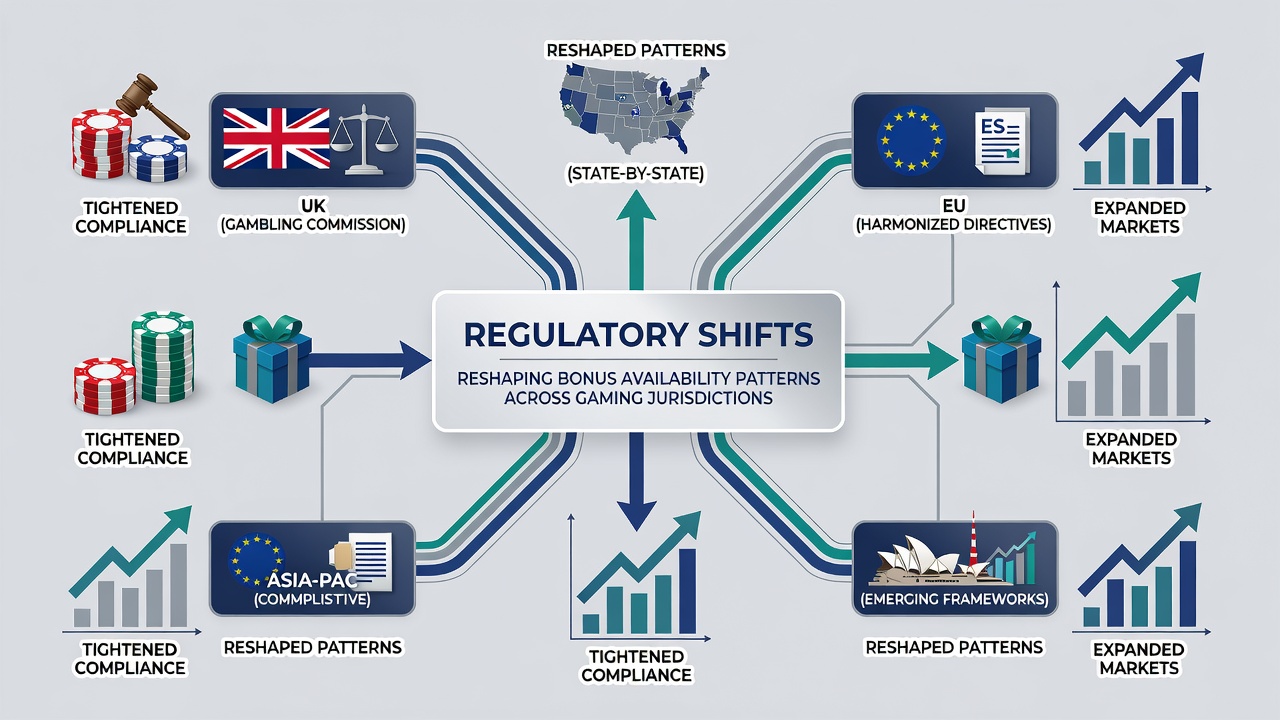
Research from the University of Nevada's International Gaming Institute highlights how these geographic variations create layered compliance environments for operators serving multiple regions. The study examined 12 jurisdictions and found that bonus structures now differ substantially in maximum value, game weighting percentages, and time limits, with operators maintaining separate promotional libraries for each market to meet local statutes.
Industry Responses and Compliance Infrastructure Developments
Operators have invested in modular bonus engines that allow rapid reconfiguration of terms based on player location detected at login. Trade group reports from the World Lottery Association document increased spending on compliance software, with average annual budgets for regulatory technology rising 27 percent among large operators between 2024 and 2026. These systems automatically adjust bonus parameters such as contribution rates for different game types and enforce jurisdiction-specific caps without manual intervention.
Payment processors adapted their services to handle bonus-related transactions under new reporting rules, particularly in markets where bonuses trigger additional anti-money laundering checks. Transaction data shared among regulated entities shows processing times for bonus-funded withdrawals extended by an average of 48 hours in jurisdictions with enhanced verification protocols.
Conclusion
Regulatory shifts across gaming jurisdictions continue to reshape how bonuses appear and function for players, with changes driven by consumer protection priorities, tax policies, and cross-border enforcement coordination. Available data through October 2026 demonstrates measurable impacts on bonus values, redemption rates, and operator compliance expenditures. Jurisdictions maintain distinct approaches that require ongoing adaptation from both operators and players navigating these evolving frameworks.